
The State of Technology in Value-Based Care: 2025 Report
Explore key trends in AI, data, and cybersecurity from Reveleer's 2025 report on technology in value-based care.


As healthcare solutions evolve, value-based care technology sits at the center of this transformation—driving better patient outcomes, increasing efficiency, and redefining what success means across the healthcare landscape. Based on a nationwide survey of payer and provider organizations, the 2025 State of Technology in value-based care explores today’s most important trends in data management, AI, and cybersecurity
Despite unprecedented agreement among healthcare leaders on the importance of artificial intelligence and technology, persistent gaps remain in deploying these tools. We stand at a crossroads where implementation will determine the future of value-based care.

Executive summary
As healthcare continues to shift from fee-for-service to value-based care (VBC), payers and providers are rethinking their playbooks to deliver better quality, enhance patient results, and lower costs. Technology drives this change — helping organizations wrangle complex data, streamline care coordination, and connect legacy systems, all in service of better patient care.
To dig deeper into technology's impact on VBC, Reveleer, The Harris Poll, and Mathematica surveyed more than 200 directors, executives, and C-suite leaders about how they handle data, harness artificial intelligence (AI), and manage cybersecurity — and asked what gives them a competitive edge and what roadblocks still stand in their way.
The results confirmed what many in the industry already sense: leaders broadly agree on VBC objectives, but persistent challenges in implementation remain.
Key findings
Provider and payer organizations have different objectives based on their roles. But both acknowledge the relevance of data management, the impact of AI on return on investment, and the need for strong cybersecurity infrastructure.
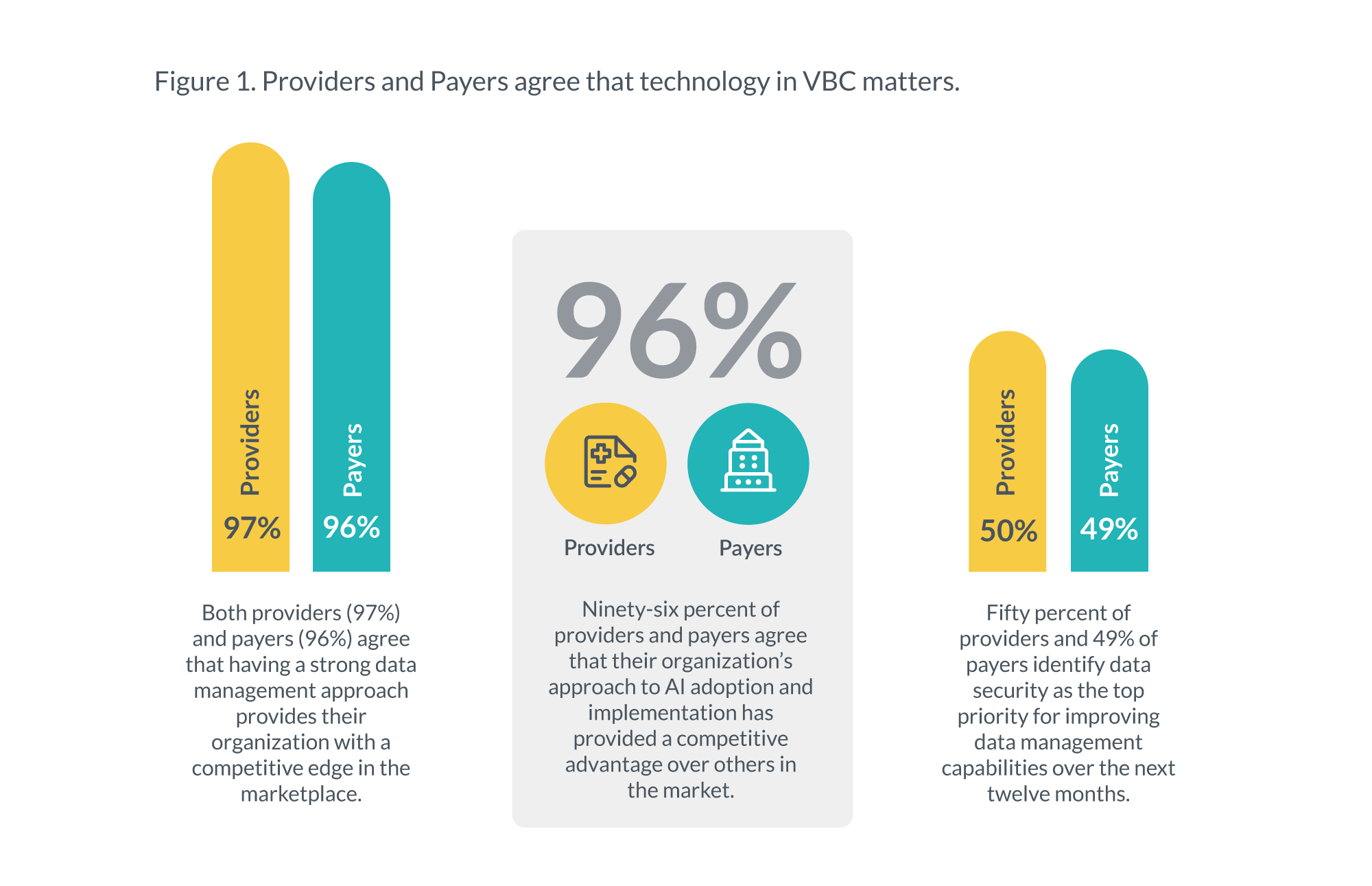
Providers and payers agree that technology in VBC matters
Across the board, providers and payers recognize the importance of technology in VBC and have adopted AI to some degree. But some are pulling ahead by committing more deeply to AI to meet their goals.
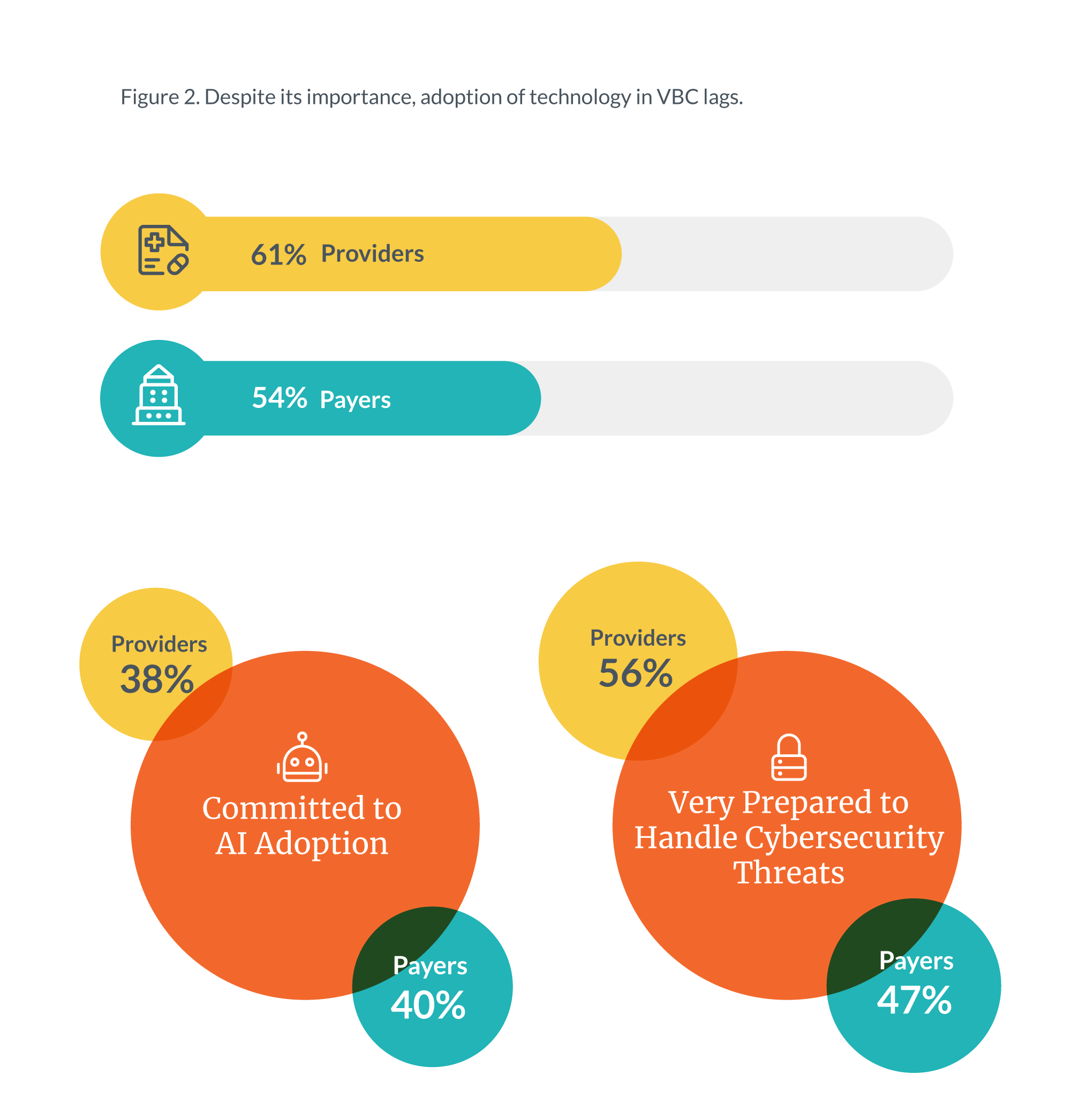
Despite its importance, adoption of technology in VBC lags
Introduction
Value-based care is reshaping how the U.S. delivers and pays for healthcare. As of January 1, 2025, the Medicare Shared Savings Program (MSSP) — the country's largest accountable care program — served 11.2 million beneficiaries alone (CMS 2025a).
A growing number of providers and payers are committing to better outcomes at lower cost through VBC, including federal models such as Medicare Advantage, state Medicaid programs and managed care, and commercial programs. Achieving that goal depends on a strong technological foundation — one that builds a complete picture of quality at the patient and population level, with accurate data and effective information sharing.
Building that foundation is far from simple. Organizations must navigate fragmented systems, fast-evolving technology such as AI, and increasingly sophisticated cybersecurity threats. Part of the challenge is that providers and payers see different parts of the data picture: payers often hold broad population data, while providers track detailed, patient-level data. Combined and supported by modern infrastructure, those two perspectives can reveal what's working today and uncover innovations ready to scale.
Federal policy is pushing the industry forward, too. CMS and technology companies are collaborating on updated standards for digital health management, interoperability, and health information exchange (CMS 2025b). As technology-forward policy gains momentum, leaders face growing pressure to ensure safe, secure, and standards-aligned data practices. Some organizations are moving quickly; many others are still early in adoption, building the internal capacity and confidence to turn strategy into measurable impact.
Understanding the growth of value-based care

Note: MSSP shared savings used as a proxy for VBC growth; figures exclude beneficiaries served by other Medicare initiatives, Medicaid, or commercial insurers.
Source: CMS, "Program Data," modified January 15, 2025.
As VBC cements its place at the forefront of healthcare delivery, organizations face a landscape defined by change, innovation, and increased accountability. The sections that follow describe current strategies, anticipated challenges, and insights that can help organizations thrive in a value-driven era.
Data management
Healthcare leaders seek a mature approach to data management
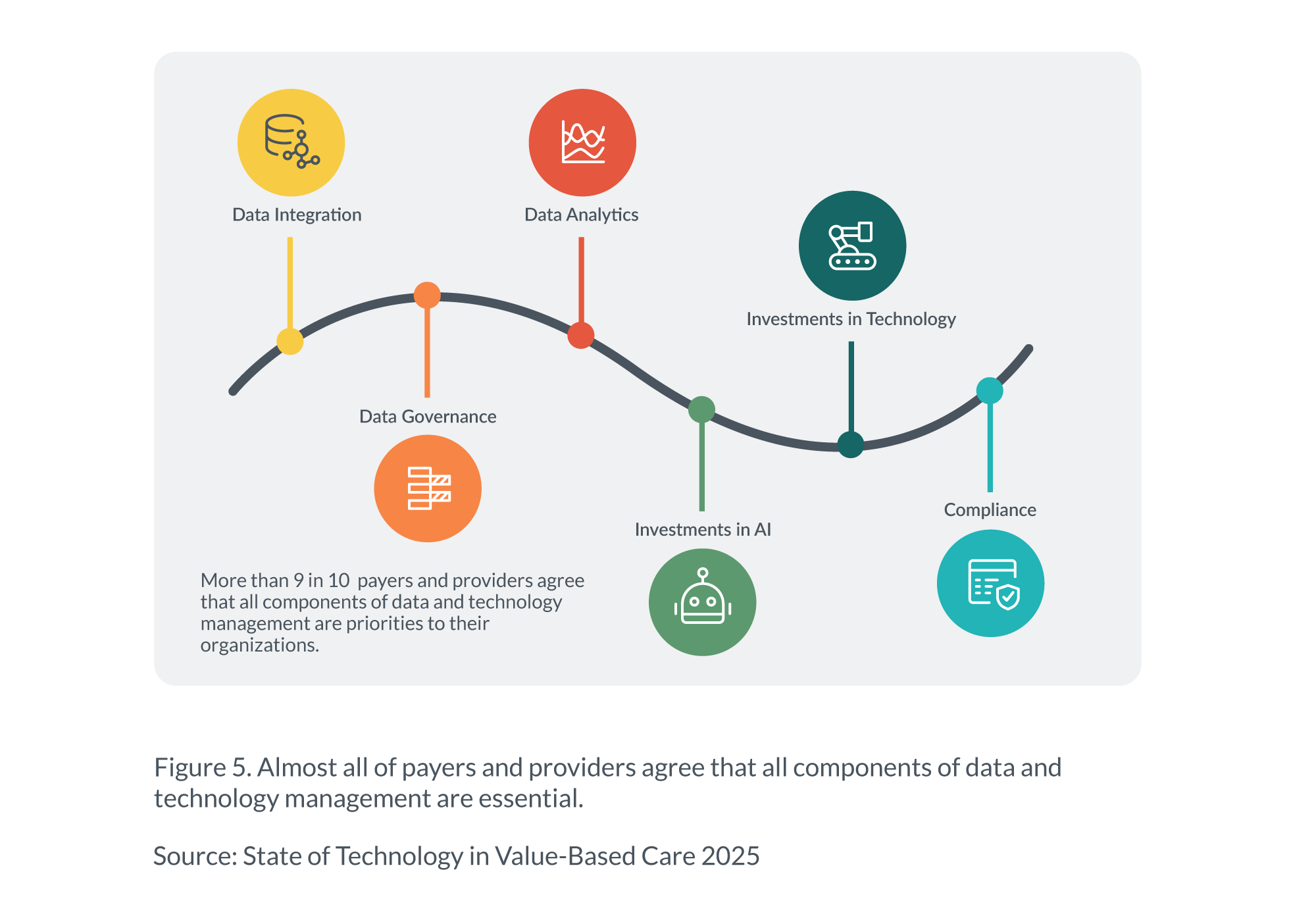
Healthcare leaders agree they need a strong, well-rounded data management approach to deliver on obligations to consumers and shareholders. Survey responses suggest they view all elements of data management as equally important and complementary — each component strengthening the others. Comprehensive data integration enables more insightful analytics, and high-quality, well-managed data lays the groundwork for advanced technology such as AI and safeguards such as cybersecurity.
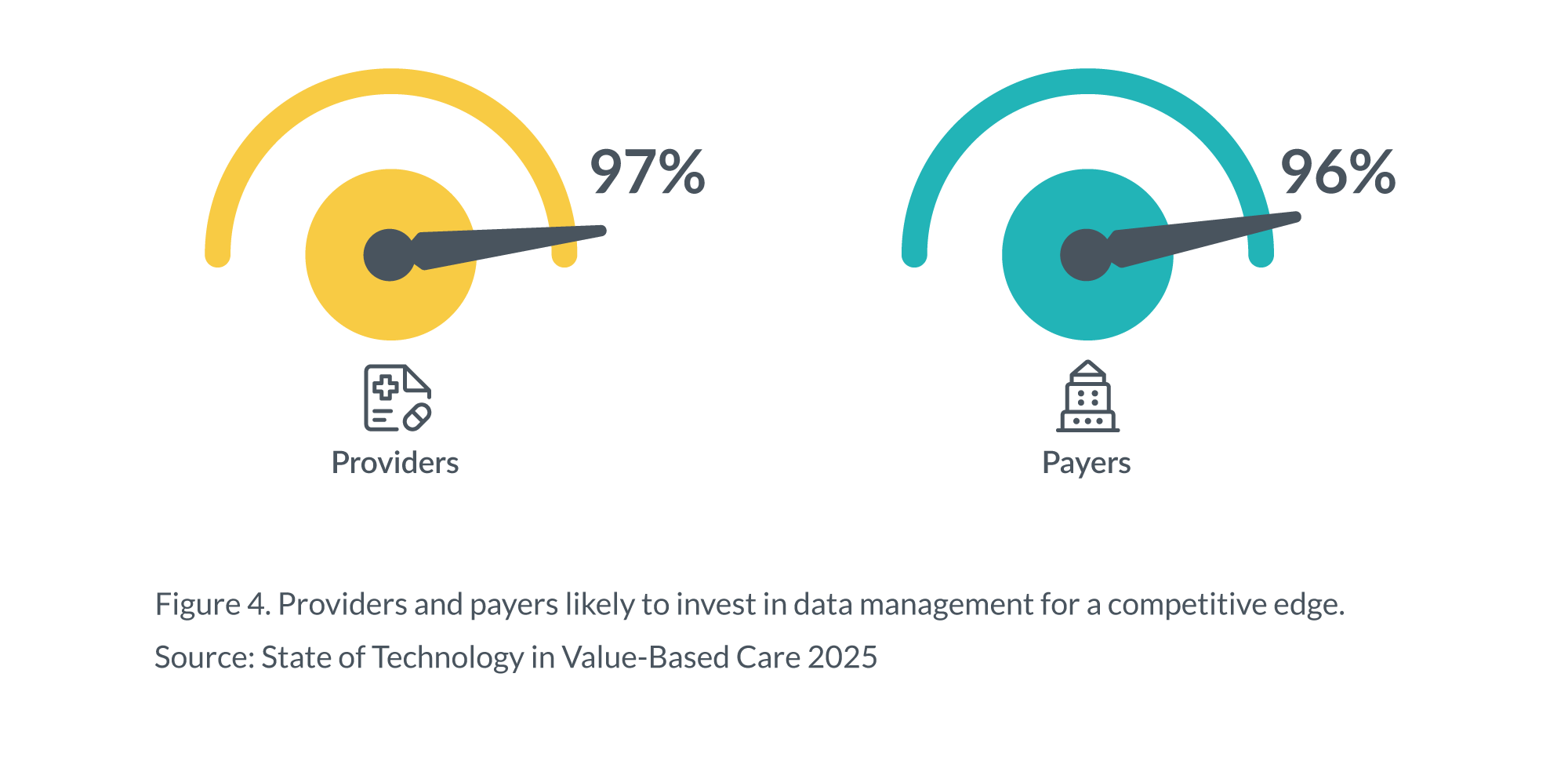
Providers and payers likely to invest in data management for a competitive edge
More than 9 in 10 payers and providers agree all components of data and technology management are priorities
Data management foundations are in place, but operational gaps remain. Most VBC leaders say a strong data management approach gives them a competitive edge and plan to invest in data management technologies over the next 12 months. Yet even when confident in the completeness and accuracy of their data, they still struggle to use it in system-level operations:
- Only about one-third of leaders (33% of providers, 31% of payers) rate their ability to integrate data across systems as excellent.
- Seven in 10 leaders (73% of providers, 75% of payers) say technology platforms are too complex or time-consuming to use effectively.
- Eight in 10 leaders (85% of providers, 86% of payers) say there are too many manual processes in their VBC workflows.
These gaps point to where VBC organizations must focus to close the distance between data management expectations and everyday inefficiencies.
The roadblocks to interoperability — data quality and security
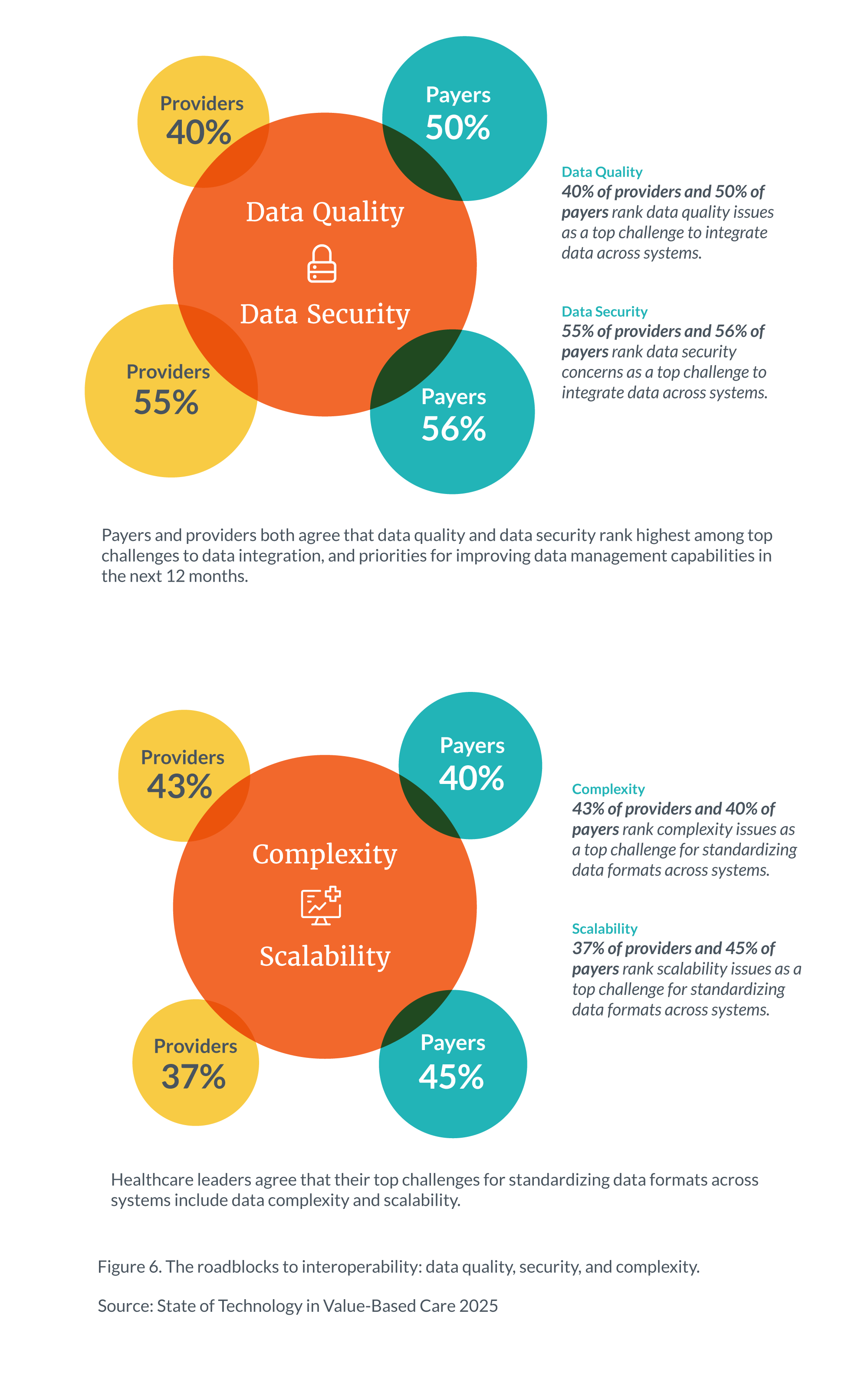
Despite this focus on data management, two challenges persist: many organizations struggle to use data smoothly for both clinical and business tasks, and ongoing data-quality issues hinder effective integration. Closing the gap may require further investment in data systems and quality — potentially supported by policy initiatives that establish universal standards across the industry.
Artificial intelligence
Leaders recognize AI's value, but widespread commitment remains elusive
Across the VBC industry, organizations are finding a home for AI in daily operations. Leaders from both payer and provider organizations believe AI and advanced analytics will be key to succeeding in VBC and say their approach to AI gives them an advantage over competitors. They also agree on a strong business case for AI, with a growing return on investment.
Positive impacts of AI

Despite recognizing AI's potential, some organizations are reluctant to commit. Only 38% of providers and 40% of payers say they are fully committed to AI adoption, and even fewer — 29% of providers and 21% of payers — have seen significant increases in AI use compared with 12 months ago. Hesitation is understandable: AI introduces new security, operational, and investment-related risks. In response, many investors now prioritize solutions backed by evidence of sustainable impact in real-world settings, and researchers are developing frameworks to help organizations assess return on investment (PitchBook 2025).
Although full-scale adoption may take time, organizations that act on AI today have a chance to define what effective, responsible use looks like for VBC in the years ahead.
AI adoption in healthcare comes with high stakes. When people's health and well-being are on the line, innovation must be balanced with appropriate caution."
- Ngan MacDonald, Director, Data Innovation Lab at Mathematica
The AI business case: as AI picks up steam, the market is reporting positive outcomes
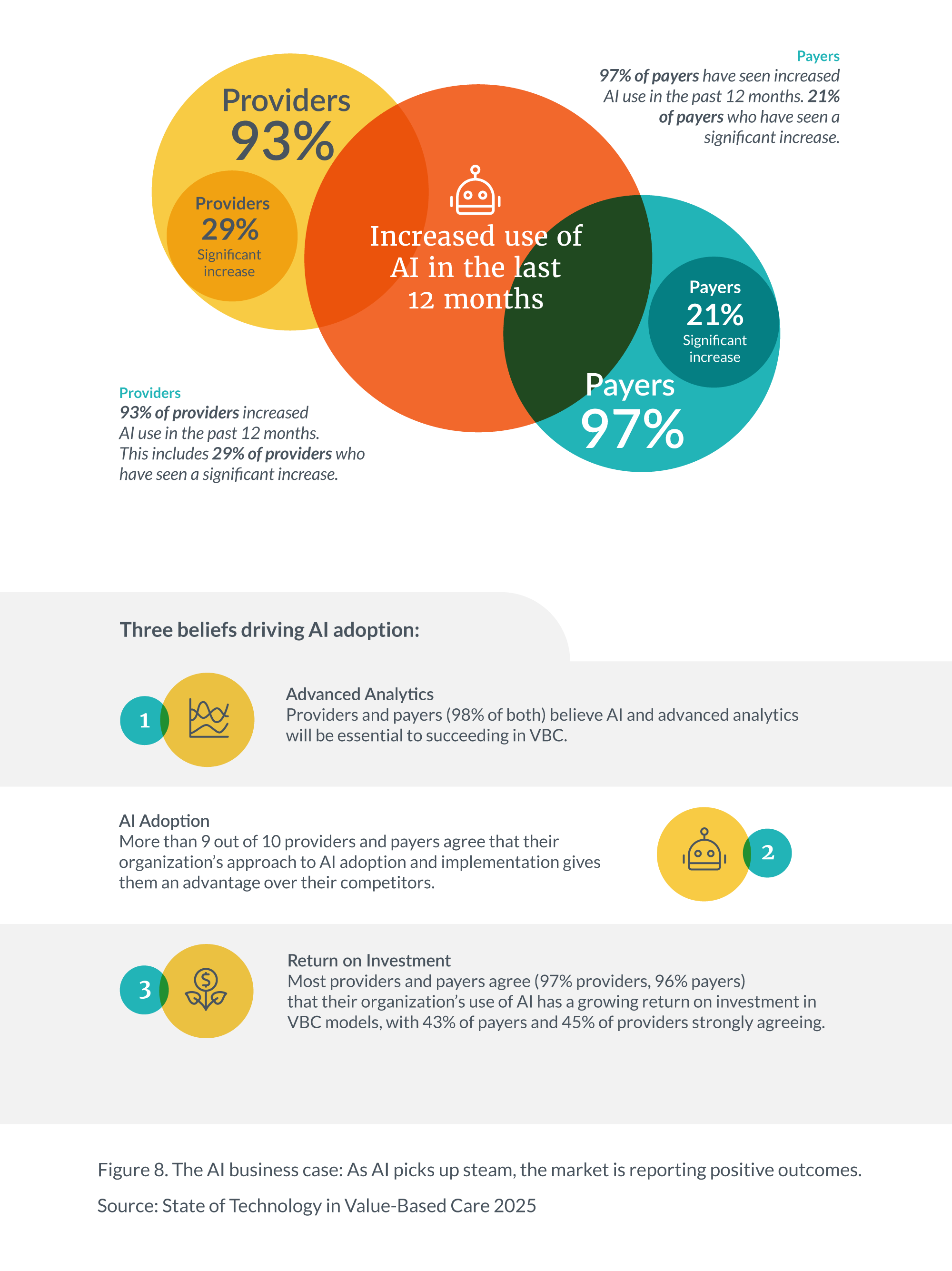
Effective AI strategies in value-based care
VBC payers and providers use AI in similar ways, suggesting both want to improve point-of-care delivery, clinical decision-making, and strategic planning.
Agreement on the most common drivers of AI investment over the next 12 months

1. Point-of-care
Leaders emphasize optimizing clinical care to boost efficiency and enable more meaningful patient interactions. Providers (97%) and payers (96%) agree that using AI for point-of-care insights contributes to better outcomes in VBC populations. Nearly all payers (99%) and providers (100%) are likely to invest in AI over the next 12 months, with providers especially enthusiastic — 54% are very likely to invest, compared with 46% of payers. Improving patient outcomes and enhancing data security are the most common drivers for both groups. Leading organizations are integrating AI-driven telemedicine, advanced predictive analytics, and next-generation diagnostics to elevate care and streamline workflows.
Most popular AI tools among payers and providers
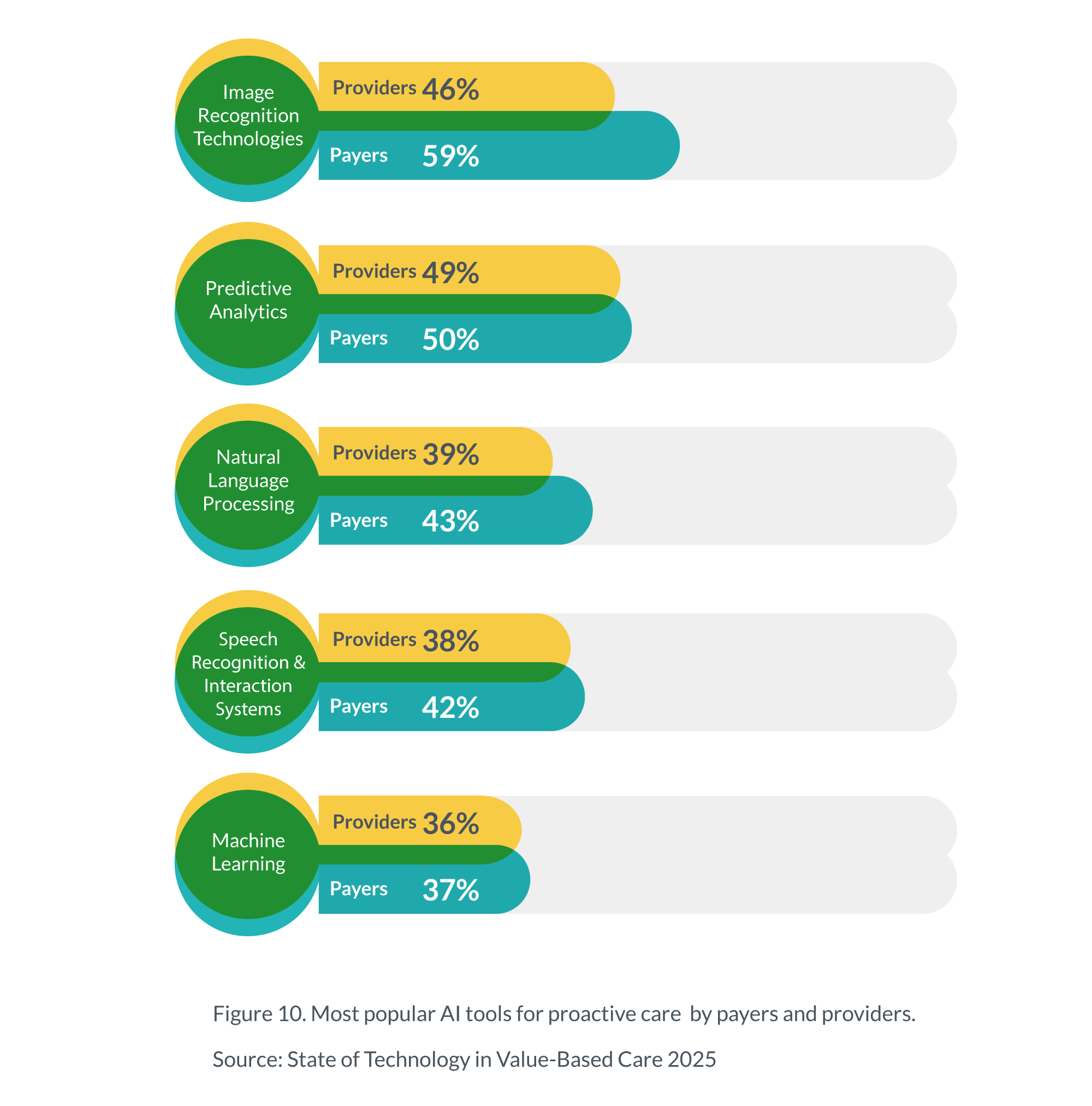
Predictive analytics enables proactive care, reducing hospital readmissions and improving chronic disease management by anticipating and addressing patient health risks early."
- Survey respondent, Vice President at a Provider organization
2. Advanced diagnostics
Providers and payers differ somewhat on the emerging AI applications they expect to shape VBC over the next two to three years, but both see opportunity in advanced diagnostic tools and technology for enhanced patient engagement. Leaders cited concrete use cases — improved diabetes management after introducing AI-enabled wearable glucose monitors, and higher patient participation through engagement tools. Patient portals now commonly use AI features such as virtual health assistants and chatbots.
Advanced diagnostic tools and patient engagement rank among the top AI tools
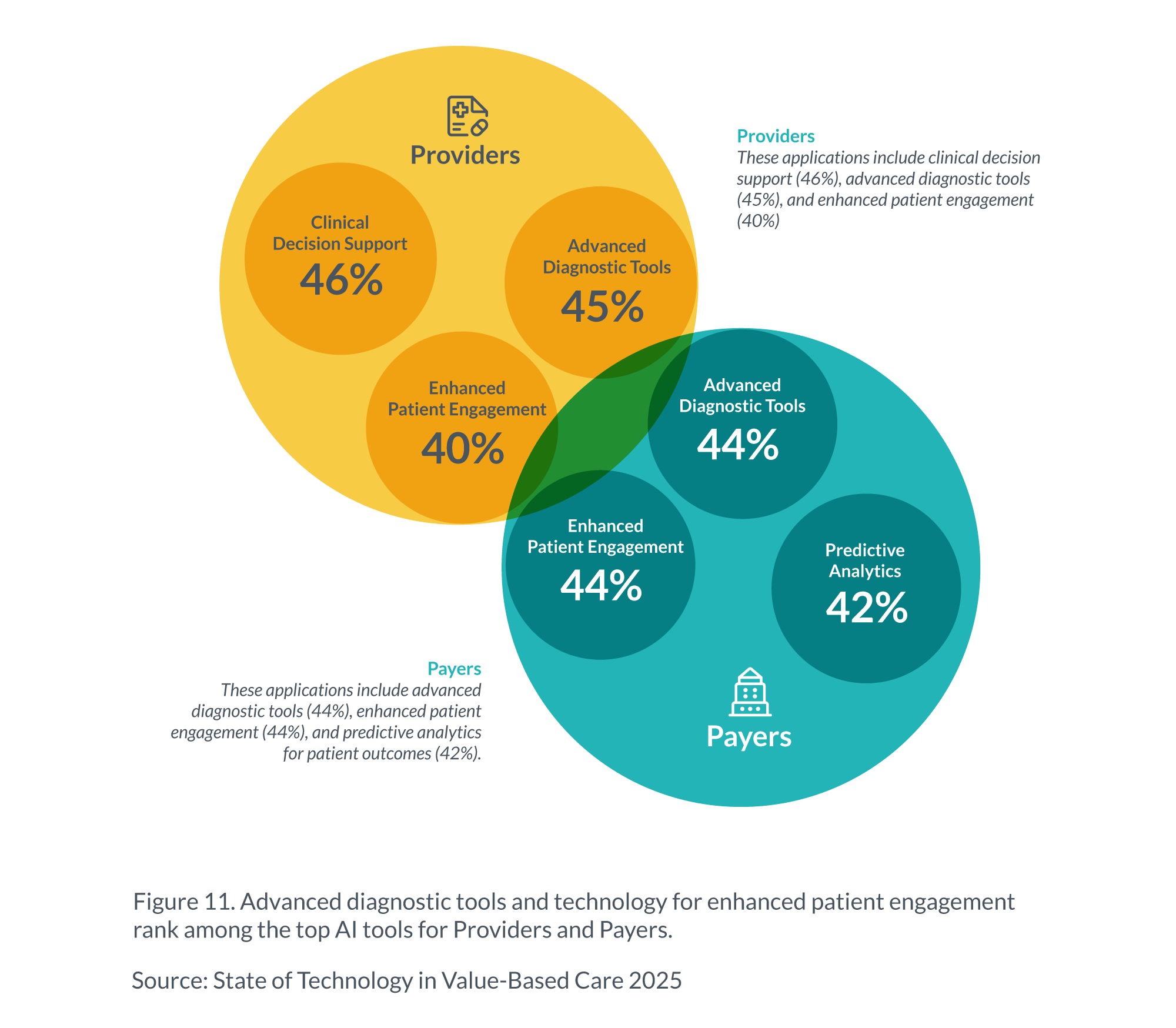
3. Automating recurring activities
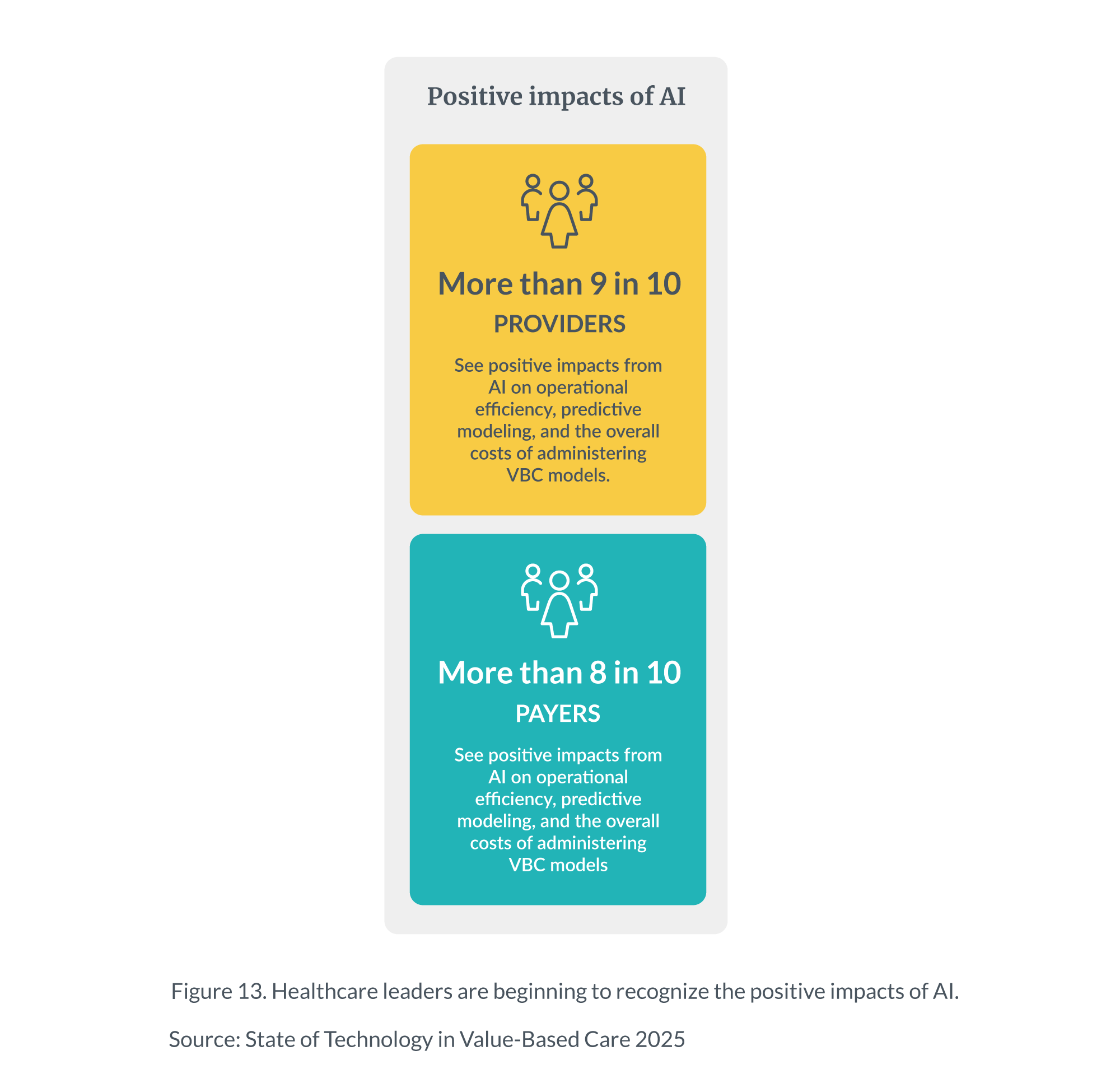
Payers and providers also see potential in automating recurring analytical and management processes. Medical imaging analysis and risk adjustment are the two most common AI applications for both groups, underscoring AI's role in diagnostic support at the patient and population levels. Organizations also use AI to support management and financial operations, reporting positive impacts on operational efficiency, predictive modeling, and the overall cost of administering VBC models.
Total usage of most common AI tools for operational efficiency
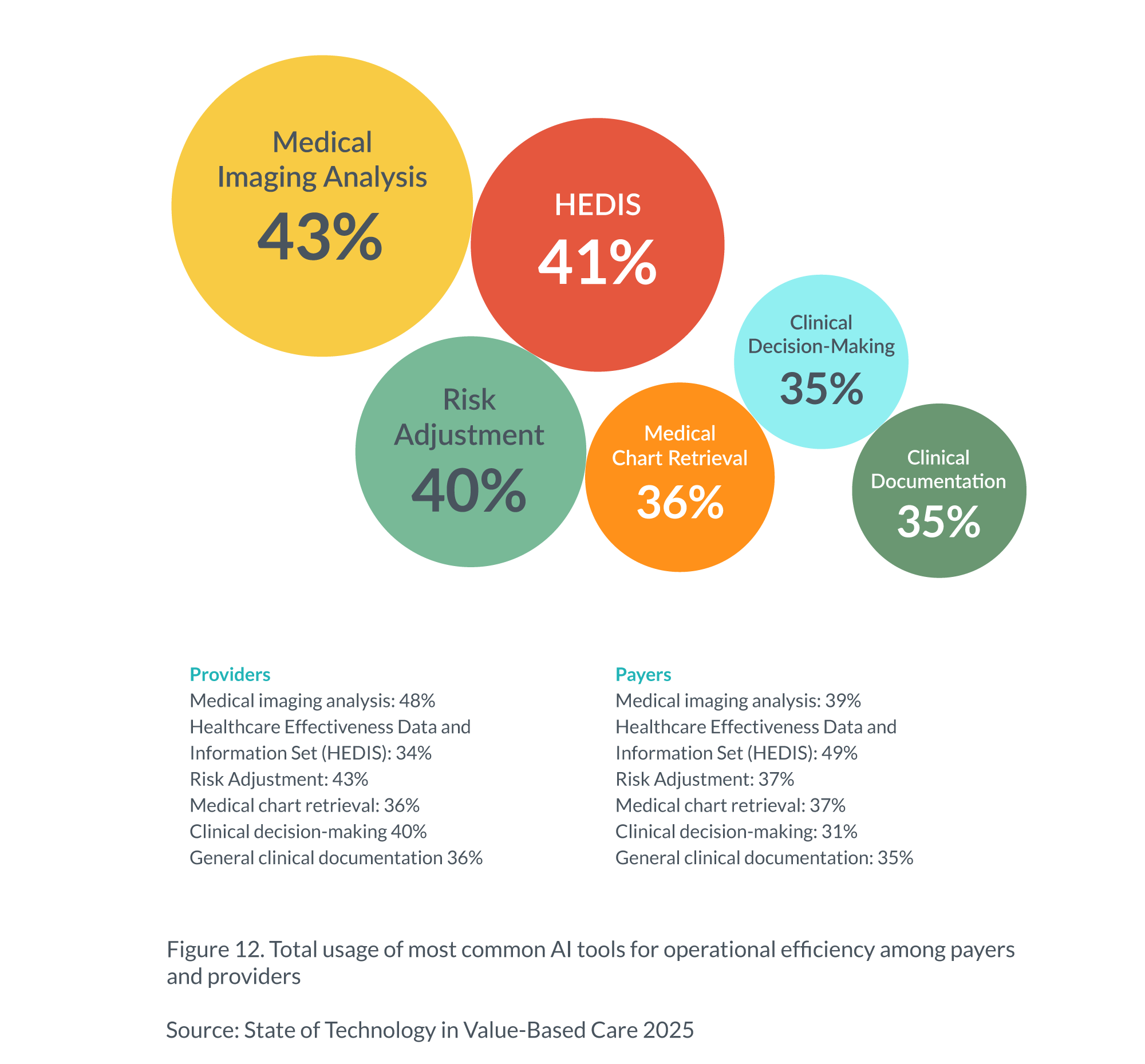
These results are encouraging: AI has already begun to reshape core aspects of VBC, delivering tangible benefits for both payers and providers. But moving from early wins to deeper integration is rarely straightforward. The next phase is defined not by optimism alone, but by the capacity to navigate persistent obstacles.
Healthcare leaders are beginning to recognize the positive impacts of AI
Machine learning algorithms detected risk patterns, enabling proactive care strategies."
- Anonymous respondent — VP, Provider
Roadblocks of AI adoption
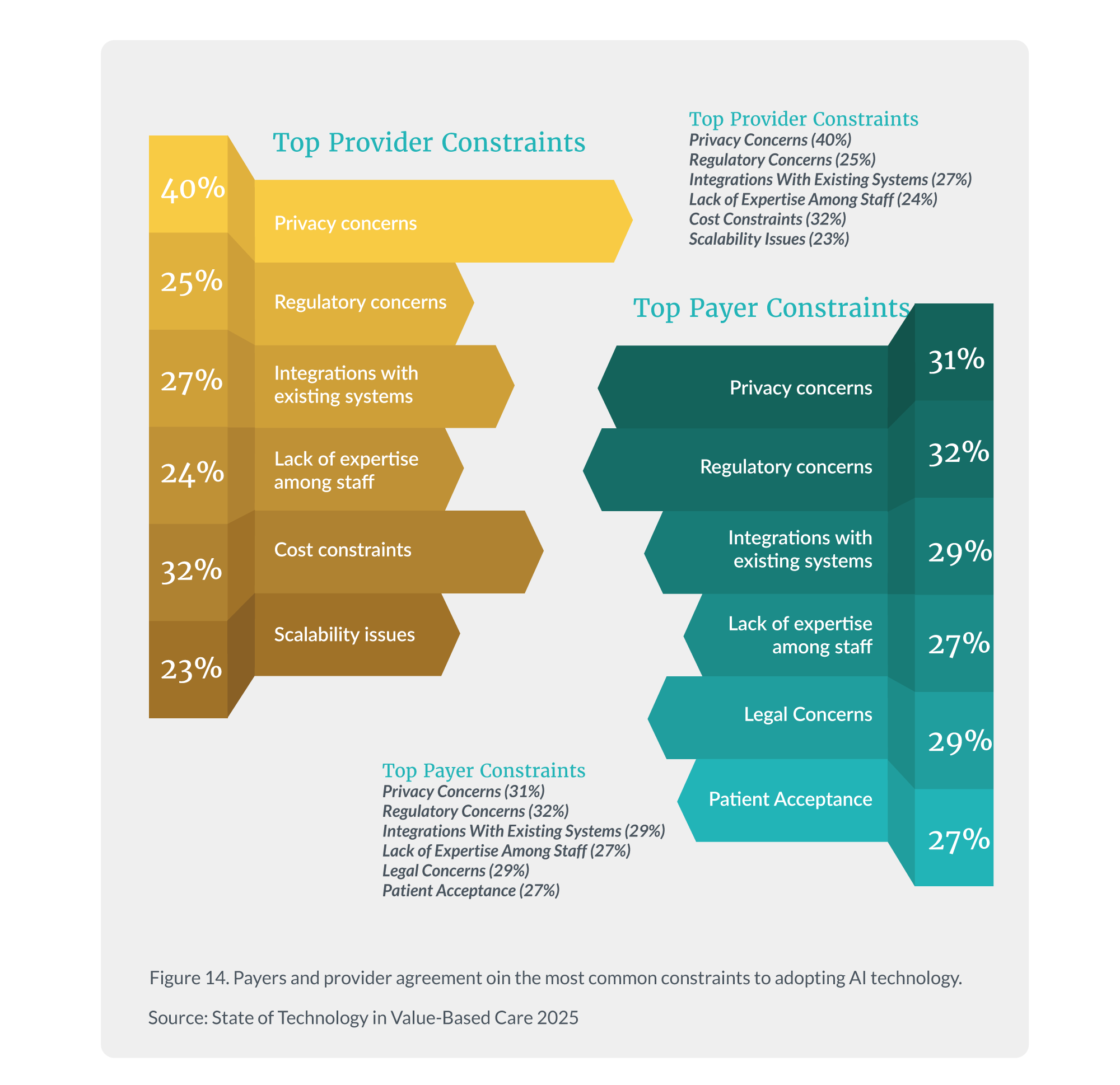
Enthusiasm for AI's potential is high, but realizing the benefits is not straightforward. Rapid adoption highlights a critical challenge: integrating AI with legacy systems and fostering the cultural change needed for responsible, ethical implementation.
The most common constraints to adopting AI technology
Innovating through uncertainty
A cultural shift is unfolding as AI becomes more integrated into the business landscape. In healthcare, enthusiasm for efficiency gains is tempered by concern about risk. Historically, healthcare technology relied on deterministic, rule-based systems; the emerging acceptance of generative AI — probabilistic and powerful — requires weighing the trade-offs between improved delivery and possible unintended harms.
Payer and provider concerns mirror the broader industry conversation around AI hallucinations, algorithmic transparency, and ethics. Given the success both groups have found with AI across their VBC portfolios, closing these gaps calls for a strong change management strategy.
AI adoption in healthcare: challenges, concerns, and organizational responses

As risk-bearing organizations embrace AI, the path forward isn't without hurdles. Confronting issues like insufficient human oversight, murky accountability, and lack of transparency is essential to earning trust and unlocking AI's full potential in VBC.
Cybersecurity
Navigating the illusion of readiness
Despite general feelings of preparedness, security breaches remain a present and costly risk. All payers and providers feel at least somewhat prepared to handle cybersecurity threats, though providers are more likely to feel very prepared (56% of providers, 47% of payers). Most payers (67%) and providers (68%) also report testing their incident response plan in the past 12 months.
Rethinking cybersecurity preparedness
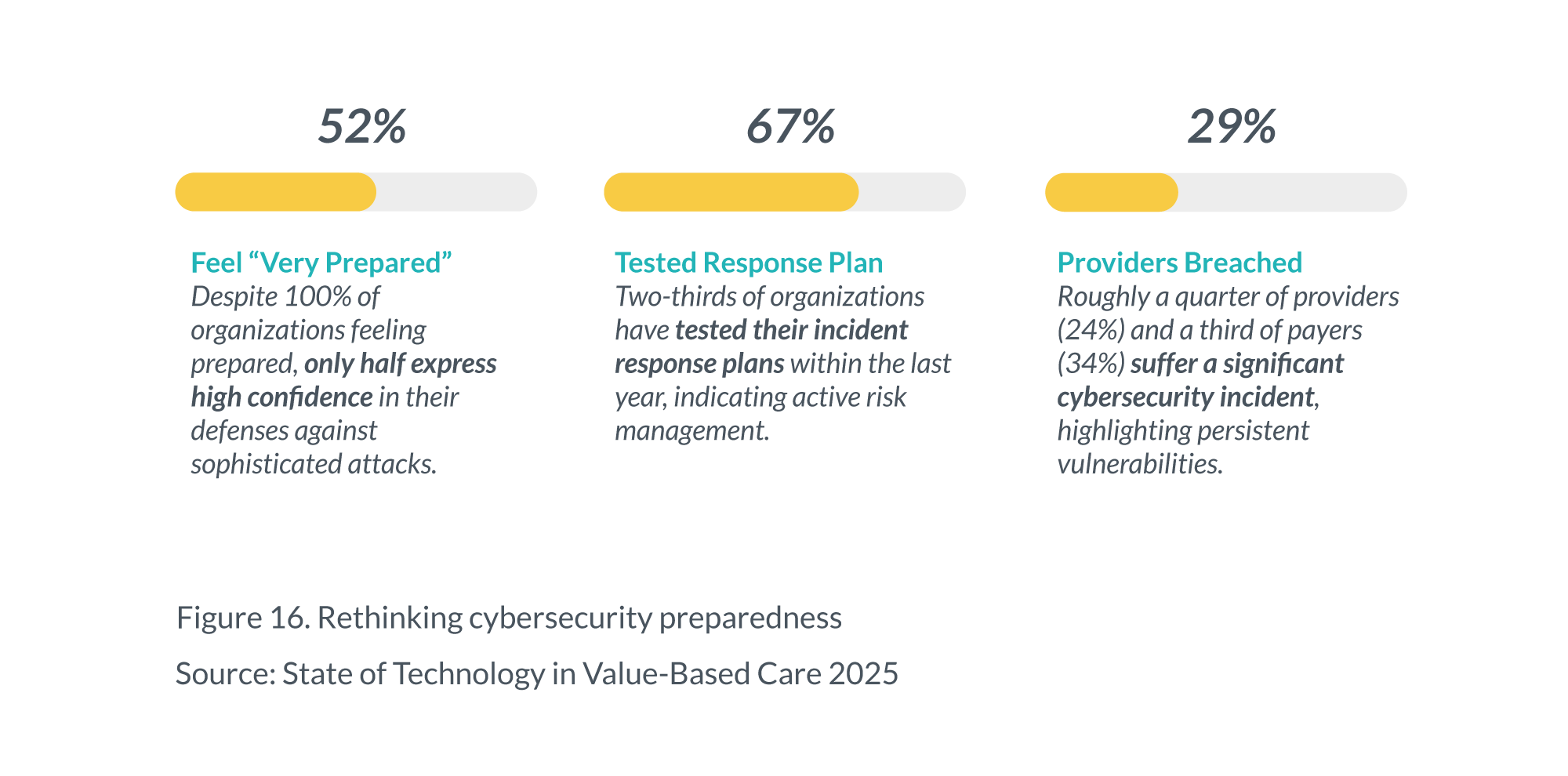
Costly cyberattacks persist across healthcare, reinforcing the expert warning that leaders should ask when, not if, an attack will come. Through the first seven months of 2025 alone, HHS received reports of 374 breaches of unsecured protected health information — several of them national headlines — affecting more than 35 million people (Office for Civil Rights 2025; Southwick 2025; Muoio 2025; Identity Theft Resource Center 2025). Survey responses reflect this: about one-quarter of providers (24%) and one-third of payers (34%) report major incidents in the past 12 months.
The cost of a single breach can be substantial. The impact — measured by patient records compromised — has surged since 2019, driven by mega-breaches affecting millions per incident. Most stem from hacking or IT incidents, with business associates (vendors) increasingly the vector for mass-impact events (Alder 2025). Daunting as that is, the survey points to concrete steps leaders can take to keep data systems strong and secure.
When securing data integration with electronic health records and third-party partners, organizations lean on leading practices. Data encryption is the predominant approach (74% of providers, 65% of payers), and endpoint protection remains a core layer of defense (55% of providers, 65% of payers).
Cybersecurity readiness checklist for IT leaders
Work with your IT team to ensure your systems are prepared for the greatest emerging cybersecurity threats that pose a risk to value-based care model operations. Below is a list of security considerations based on our survey findings:
- Prioritize defending against data breaches by strengthening access controls and system monitoring. Data breaches were identified as a great risk among emerging cybersecurity threats, cited by 61% of payers and 55% of providers, underscoring the importance of robust detection and prevention measures.
- Implement rigorous anti-phishing education and tools across your organization. Phishing was identified as one of the greatest threats by 54% of payers and 47% of providers, showing the need for ongoing awareness training and advanced filtering technologies.
- Adopt comprehensive data leak prevention strategies, including encryption and audit trails. Both payers and providers (51% each) named data leaks as a leading concern, emphasizing the value of strong data protection policies.
- Address insider threats through enhanced employee monitoring and clear security protocols. Insider threats were identified as one of the greatest risks for 51% of payers and 42% of providers, highlighting the necessity for internal safeguards and accountability.
- Develop and routinely update a ransomware response plan. Ransomware remains a great threat, noted by 41% of payers and 44% of providers, making it essential to build resilience and establish recovery procedures before an attack occurs.
Interestingly, the third most prevalent method for securing data integration varies between sectors. Most providers (56%) conduct regular security assessments to identify vulnerabilities and ensure ongoing compliance with evolving standards. Payers, in addition to regular security assessments, also commonly utilize secure APIs (56%) to maintain rigorous control over the transmission and accessibility of patient data. Together, these strategies illustrate the multifaceted efforts organizations undertake to protect health information in a complex digital landscape.
Cybersecurity dimensions to AI (vendor contract criteria)
When entering into contracts with vendors for security, consider the following three criteria identified by healthcare leaders.

When evaluating vendors, HITRUST (Health Information Trust Alliance) certification is one of the most valuable signals of robust security. Recognized as a gold standard, it demonstrates a vendor has undergone comprehensive, rigorous assessment of its information security management. Prioritizing HITRUST-certified vendors helps organizations embed proper security across data management, privacy, and risk mitigation — meeting regulatory requirements and building trust with patients and partners. After establishing HITRUST, organizations should implement continuous monitoring to ensure safeguards work as intended.
Conclusion
VBC is no longer a future aspiration — it's the present reality. Yet the survey surfaces a central contradiction: although providers and payers are more aligned than ever, collaboration and execution on technology adoption remain inconsistent. The goals are mutual and the technology is available, but the industry risks stalling just as momentum peaks. Without action, growth in VBC contracts and confidence in data and technology won't translate into scalable improvements in care quality or outcomes.
Leaders widely acknowledge that data is a competitive advantage, but siloed systems and quality challenges block its full utility. AI is broadly adopted, but trust gaps, limited training, and governance shortfalls restrain its transformative power. Meanwhile, cybersecurity threats loom — underscoring the risk of assuming readiness. This is the industry's tipping point.
To meet the goals of VBC — better quality at lower cost — leaders can act on these evidence-backed steps:
- Prioritize data security and integrity: make secure storage and robust integrity measures foundational to every technology partnership; run regular audits and establish rapid breach-notification protocols.
- Invest in advanced data management systems: move from siloed, "good-enough" systems to integrated, high-quality platforms that give an accurate picture of patient and population health and lay the groundwork for reliable AI.
- Apply AI thoughtfully: use AI to streamline workflows and support staff; pilot in lower-risk environments to build trust, and always pair automation with human oversight.
- Empower and train staff: go beyond basic introductions with hands-on training for clinical and administrative roles, and cultivate change champions who drive adoption and compliance.
- Strengthen cybersecurity readiness: conduct regular audits, establish clear contingency plans (including paper backups), and address both common and high-impact threats.
- Foster purposeful collaboration: align technology priorities across payers and providers, share best practices, and engage policymakers and vendors on interoperability standards.
- Go deep before going wide: focus on evidence-based strategies, pilot in targeted areas, measure rigorously, and scale what works.
By acting on these recommendations, leaders can resolve the challenges described here. Effective use of technology is not just a competitive advantage — it is key to improving quality, containing costs, and achieving the promise of VBC. This report captures where we are today so we can illuminate the path forward together. The next era of VBC is within reach, powered by innovation and inspired leadership.
About the research
Methodology
The Harris Poll conducted this research online in the United States, surveying 203 U.S. residents and full-time employed workers. Respondents were ages 21 and older, held a job title of director or above, worked for a U.S.-based organization using a VBC model, and were decision-makers in audits and compliance, clinical informatics, clinical documentation improvement, member or patient enrollment, medical record retrieval, risk adjustment, or IT and security. The survey ran from May 27 to June 10, 2025.
Providers were defined as organizations delivering care directly to patients, or respondents at a healthcare organization with 25 or more employees who worked in a hospital, physician group, integrated health system, accountable care organization (ACO) or ACO enabler, dialysis organization, integrated provider network, home and community-based care organization, healthcare enabler organization, or home healthcare agency. Payers were defined as organizations that cover medical services, or respondents in the insurance industry at a commercial health insurance company, government health program, or managed care organization.
Raw data were not weighted and represent only the people who completed the survey. Sampling precision was measured using a Bayesian credible interval; the sample data are accurate to within ±6.8 percentage points at a 95% confidence level, with wider intervals among subsets. As with all sample surveys, results are subject to additional errors related to coverage, nonresponse, question wording and response options, and post-survey adjustments.
Respondents divided between Providers and Payers
[insert graphic]
Reveleer
As the industry's pioneering VBC enablement partner, Reveleer is built to solve the most pressing real-world challenges faced by provider and health-plan organizations today. By unifying retrieval, clinical intelligence, risk adjustment, quality improvement, and member management into one intelligent, AI-powered system, Reveleer streamlines fragmented workflows to boost productivity, enhance care quality, and optimize performance on high-priority value-based initiatives. Learn more at reveleer.com.
Mathematica
Mathematica works with public, private, and philanthropic organizations to make programs and policies more effective, efficient, and impactful — with action-ready evidence, scalable data solutions, and insights that drive results. Its team of data scientists, social scientists, technologists, and policy experts brings an integrated approach to tough public and private sector challenges. Learn more at mathematica.org.
The Harris Poll
The Harris Poll is a global public opinion, analytics, and market research consultancy that reveals society's authentic values to inspire leaders to build a better tomorrow. With research reach across more than 90 countries, Harris offers advisory services to world leaders, CEOs, and business decision-makers. It has tracked public opinion, motivations, and social sentiment since 1963. Harris is a Stagwell (NASDAQ: STGW) company. theharrispoll.com.
References
- CMS. "CMS Moves Closer to Accountable Care Goals with 2025 ACO Initiatives." 2025b.
- CMS. "Shared Savings Program Fast Facts — As of January 1, 2025." 2025a.
- Identity Theft Resource Center. "ITRC H1 2025 Data Breach Report." 2025.
- Muoio, D. "Oracle Health Server Breach Leads to Hospital Extortions, Reports Say." Fierce Healthcare, 2025.
- Office for Civil Rights, U.S. Department of Health and Human Services. "Breach Portal: Notice to the Secretary of HHS — Breach of Unsecured Protected Health Information." n.d.
- PitchBook. "AI Healthcare & Life Sciences VC Market Snapshot." 2025.
- Southwick, R. "These Are the Biggest Health Data Breaches in the First Half of 2025." Chief Healthcare Executive, July 2025.
- Alder, S. "Healthcare Data Breach Statistics." The HIPAA Journal, 2025.
Related Resources

The ROI of AI-enabled prospective risk adjustment
Learn how AI-enabled prospective risk adjustment drives better clinical outcomes, reduces costs, and improves value-based care.

Ethical AI in value-based care: Balancing innovation with trust and transparency
Watch the session, ‘Ethical AI in Value-Based Care’, to learn about Reveleer’s AI trust and transparency.

Simplifying HEDIS®: How intelligent automation gives you more time
Learn how intelligent automation accelerates HEDIS reporting, improves efficiency, and enhances data accuracy for healthcare organizations.

